Electrical fault finding
Electrical fault finding in London homes
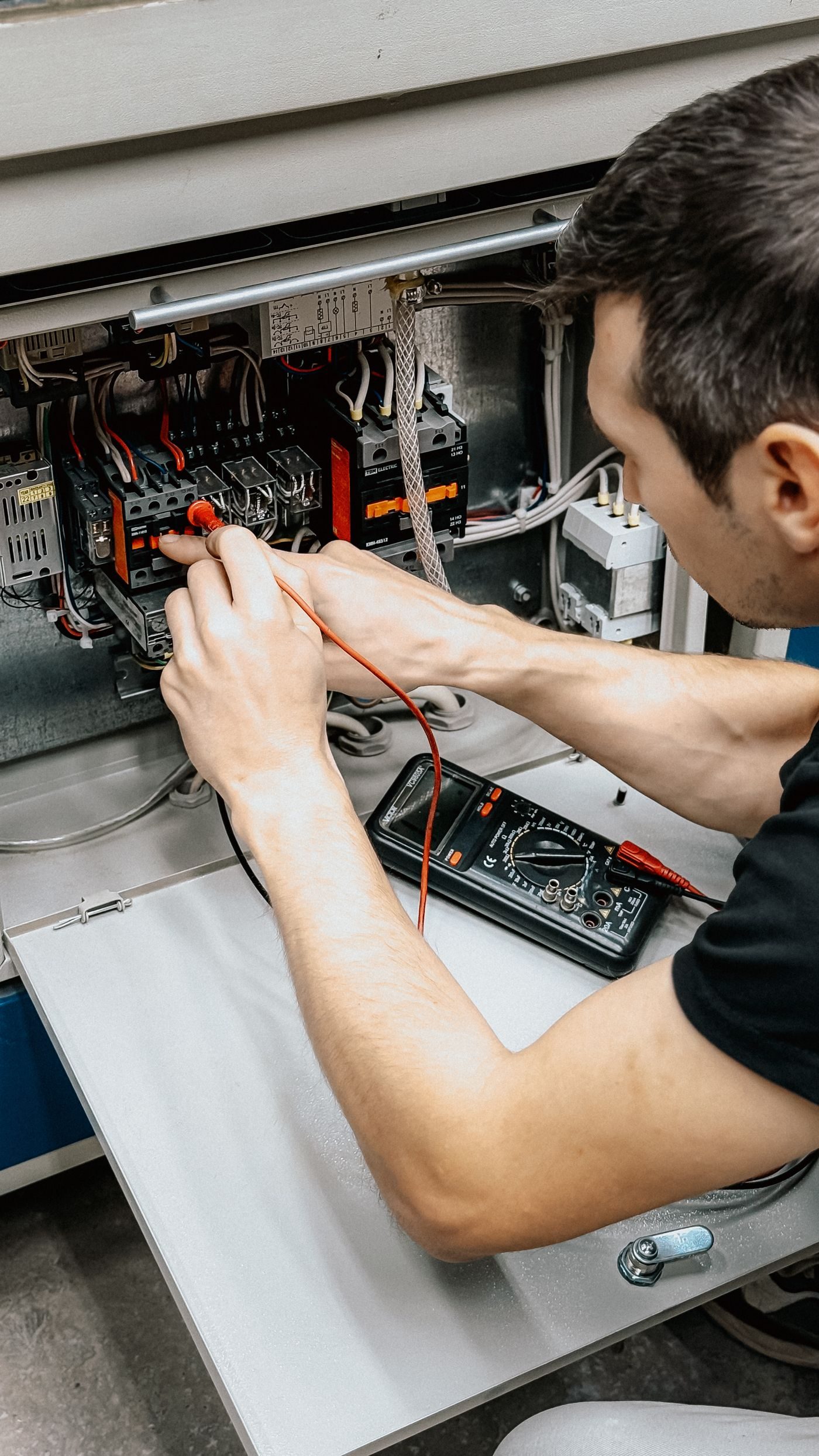
Electrical fault finding means testing the circuits step by step to locate a fault you cannot see, such as dead sockets with nothing tripped, an intermittent loss of power, or a tingle from a tap. The electrician isolates the circuit, tests it, narrows the fault to a section, then repairs and retests it.
Is it an emergency?Is it an emergency?
Tap what is happening. You will see what to do right now, then send it through.
- 01Right now
- 02Your home
- 03Call back
Right now
What is happening right now?
Right now
Do you have any power at the moment?
Your home
Where is it?
Your home
What is the postcode?
So the right engineer for your area picks it up.
Call back
Send it through now
Leave anything that tripped switched off while you wait. Your details go straight through so someone can ring you back.
Overview
Dead sockets, faults that come and go, or a tingle from a tap. Traced with proper testing, not guesswork.
- 01
Some sockets are dead but nothing has tripped
- 02
Power comes and goes on one circuit
- 03
You felt a tingle from a tap, radiator or appliance
- 04
A fault has been there for a while and nobody has found it
- 05
Your home has old black rubber or fabric covered cable
- 06
An EICR has flagged something for further investigation
The visit
What happens, step by step
Making safe comes first. You are told what was found and what the repair takes before any repair starts.
- 01
Listen to the history
When it started, what you were using and what has changed recently often points to the cause faster than any meter.
- 02
Isolate and test
The circuit is switched off and tested for continuity, insulation and polarity to see where it is broken or leaking.
- 03
Narrow it down
The circuit is split at sockets or junctions until the fault sits between two points.
- 04
Repair and retest
The faulty joint, accessory or cable is repaired and the whole circuit is tested before it goes back on.
Dead sockets with nothing tripped
If some sockets have stopped working but no switch has dropped, the circuit is usually broken rather than leaking. On a ring circuit, the loop of cable that feeds most UK sockets, a loose connection at one socket can cut off the sockets beyond it. Sometimes the socket that has failed is behind a sofa or a fridge, not the one that seems dead.
A burnt or loose terminal can also run hot before it fails, so if a dead socket has scorch marks or smelled warm before it stopped, treat it as urgent. See our advice on no power to sockets but the lights work.
Tingles and shocks from taps or radiators
A tingle from a metal tap, sink or radiator can mean the earthing or bonding is not doing its job. Bonding is the green and yellow cable that links metal pipes to the main earth, so that if a fault makes a pipe live, the protection trips. Plumbing repairs with plastic pipe sections can break this link without anyone noticing.
If someone has had a shock, do not touch them while they may still be in contact with the supply, switch off if you can do so safely, and call 999. NHS inform sets out the first aid steps. Then leave the area alone until it has been tested.
Old wiring in London homes
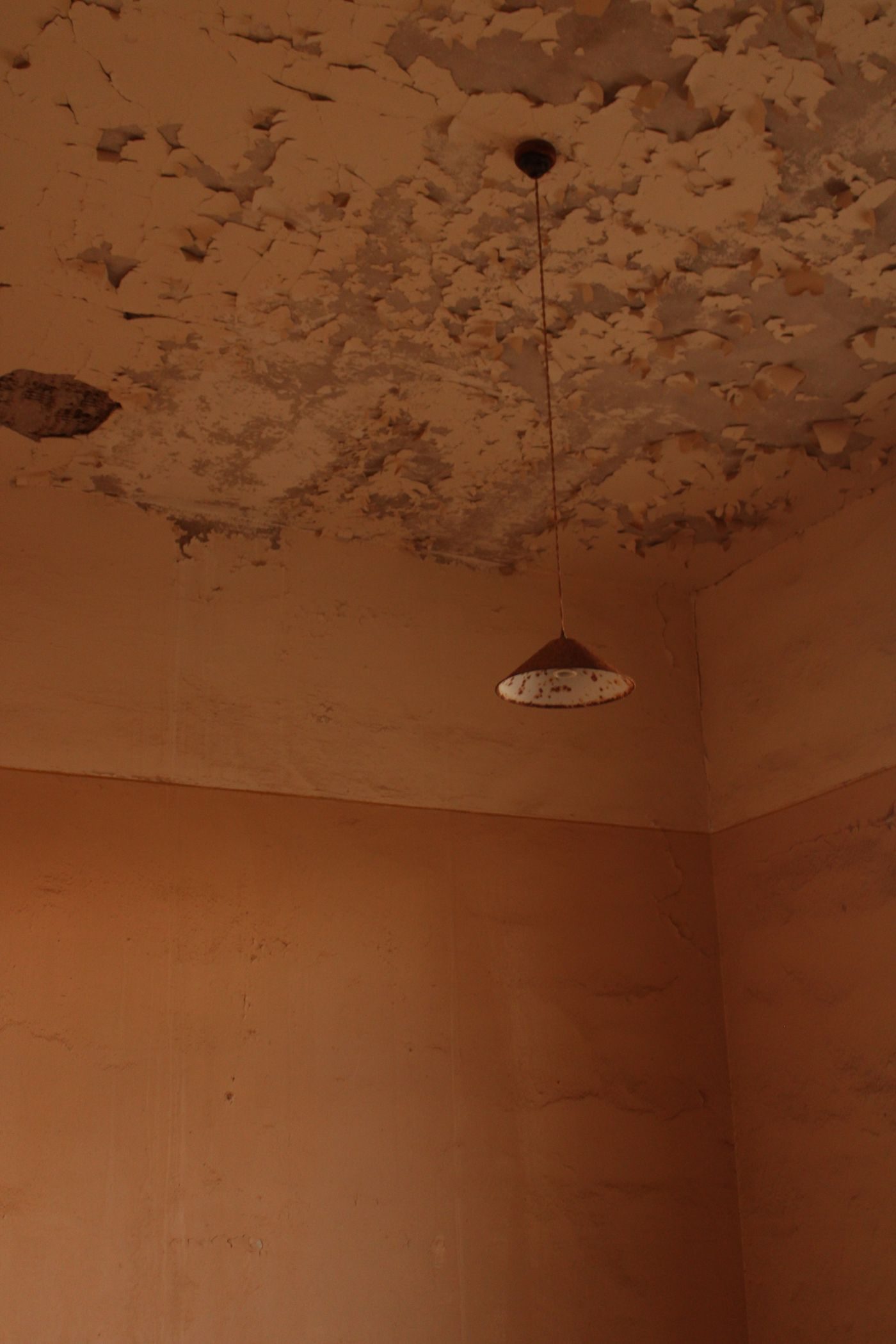
Electrical Safety First says cables coated in black rubber were phased out in the 1960s, and lead or fabric coated cables are even older. Many London homes were last fully rewired in that era. The Valuation Office Agency counts 35% of Havering's homes as built from 1945 to 1972, and 29% of all London homes as built before 1919.
Old rubber insulation goes brittle and crumbles, particularly where cables are moved or get warm. Faults then come and go as the cable shifts. Fault finding on this kind of wiring often ends with advice on whether a repair is sensible or whether the circuit needs replacing. Our guide to rubber wiring in London homes explains what to look for.
How a fault finding visit works
Fault finding is methodical. The electrician starts by asking when the problem started, what you were using and whether anything has changed, such as building work, a new appliance or a leak. Then the affected circuit is isolated and tested.
The main tests are simple to describe. A continuity test checks that the conductors in a cable are unbroken from end to end. An insulation resistance test checks whether current can leak between conductors or to earth, which shows damp, damage or failed insulation. A polarity test checks that live and neutral are the right way round at each point.
On a ring circuit the electrician can split the ring at a socket and test each half, which narrows the fault down quickly. On a lighting circuit, junction boxes in the ceiling void are often where loose joints hide. Once the fault sits between two points, it can be found and repaired, then the whole circuit is tested again before it goes back on. You should get a minor works certificate for the repair. If the fault turns out to be part of a wider problem with old wiring, you will be told what the options are, with a separate quote.
Price
How the price is worked out
Agreed with you after a look at the job, before any repair starts.
What affects the price
Fault finding is priced by the work it takes. A loose socket is quick. A fault buried in a wall or under floorboards can take longer. You are told what has been found before repairs start.
| What | Price |
|---|---|
| Fault finding visit | price confirmed after a look at the job |
| Repair to a socket, joint or junction box | quote on survey |
| Earth bonding repair or upgrade | quote on survey |
| Replacing a section of old cable | quote on survey |
No prices are shown on this site. Every job is priced after a look at it, by photo or a visit.
Questions
Electrical fault finding: what people ask
Why have half my sockets stopped working?
A loose connection at one socket on a ring circuit can cut off the others beyond it. The circuit needs testing to find which one.
Is a tingle from a tap dangerous?
It can be. It may mean the earthing or bonding is broken. Avoid touching the tap and have it tested as soon as possible.
Can you find intermittent faults?
Usually, though they can take longer. Notes on when it happens and what was on at the time help a lot.
Will you need to lift floorboards?
Sometimes. If a fault sits in a cable under the floor, boards may need lifting. You are asked before that happens.
Where
Electrical fault finding across London
old electrical wiring
Rubber wiring in London homes: how to spot it and why it matters
Read the answerelectric shock from tap
Electric shock or tingle from a tap or radiator
Read the answerno power to sockets but lights work
No power to sockets but the lights work and nothing has tripped
Read the answer
Electrical fault finding
Send it through and get a call back
Describe what is happening in a sentence. Leave anything that tripped switched off while you wait.
Start the safety questions